5 Proven Ways Disability Care Software Reduces Hospitalisation Risk
Disability care management software helps home care providers cut hospitalisation risks with 5 proven strategies. Book your VisiCase demo today!


Providing home care services means helping clients maintain their safety and independence. But risks such as falls, medication mismanagement, and social isolation can lead to hospitalization if they aren’t managed proactively.
At VisiCase, we work closely with disability care and aged care providers every day. The right disability care management software, paired with the right strategies, helps home care organizations reduce hospital admissions and improve client outcomes. Here are five practical ways to enhance safety and minimize hospitalization risks.
1. Conduct Regular Home Assessments
The risk:
Falls are one of the most common reasons for hospitalization. According to the Australian Institute of Health and Welfare, falls accounted for 238,055 hospitalizations in 2022–23—making up over 43% of all injury-related admissions. As people age or develop mobility challenges, their home environment may no longer keep them safe.
How to reduce it:
- Start every client relationship with an occupational therapy (OT) assessment to identify risks early.
- Recommend home modifications such as grab bars, non-slip mats, and better lighting.
- Schedule periodic reassessments so care keeps pace with each client’s changing needs.
A safe home environment, backed by technology that tracks assessment history, significantly lowers the risk of falls and related injuries.
2. Use Disability Care Software to Monitor At-Risk Clients
The risk:
Tracking a client’s health status gets harder when multiple carers are involved. Without a centralized system, critical information can slip through the cracks, leading to preventable health complications.
How to reduce it:
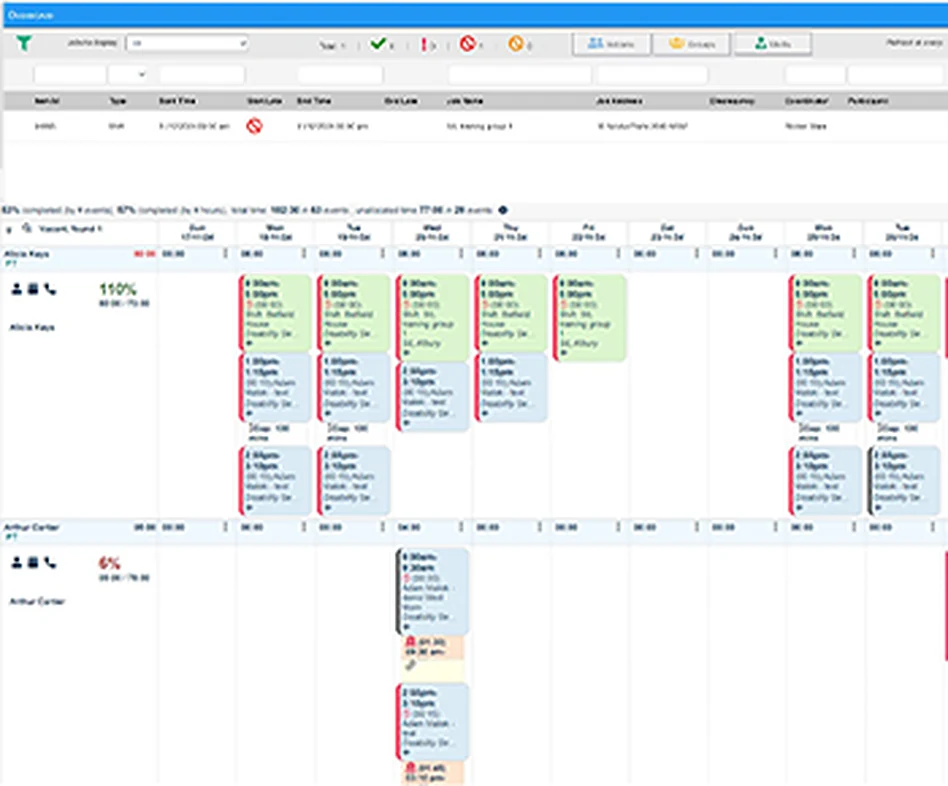
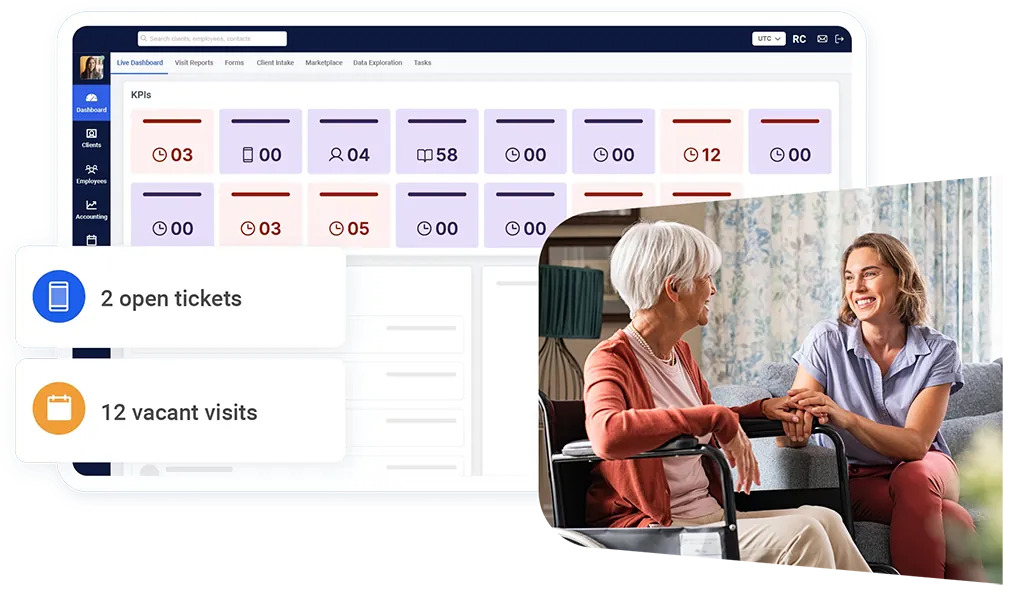
This is where disability care management software earns its place. It can streamline communication and flag at-risk clients before issues escalate. VisiCase’s disability care management software analyses care notes, client data, and care patterns to highlight potential concerns before they become emergencies.
- It assesses each client’s needs and makes it easy to apply for home modification funding directly through the platform.
- The incident reporting feature adds a care note for the wider team, so everyone understands the client’s situation and the right caring procedure.
- Advanced reporting keeps a complete record of each client for better, more consistent care.
- Our disability care management software also lets carers schedule group activities with ease.
By integrating the right technology, providers can stay ahead of potential health issues rather than reacting after the fact.
3. Strengthen Staff Training Programs
The risk:
Lack of adequate training can lead to medication errors, missed warning signs, and improper handling of mobility challenges. When care workers are not well-prepared, clients are at greater risk of hospitalization.
How to reduce it:
- Offer training that reflects real-life scenarios and changes in client needs.
- Conduct regular check-ins with staff to reinforce best practices.
- Encourage open communication between carers, clients, and families to address concerns early.
When staff feel confident in their ability to assess risks and take appropriate action, they provide safer and more effective care.
4. Encourage Social and Physical Activity
The risk: Loneliness and inactivity can lead to faster declines in physical and cognitive health. Research published in Frontiers in Aging Neuroscience shows that prolonged isolation increases the risk of physical decline, making hospitalization more likely.
How to reduce it:
- Schedule regular outings and social activities for clients.
- Encourage light exercise, such as stretching or short walks, to maintain mobility.
- Train care staff to engage in meaningful conversations and provide emotional support.
By incorporating both social and physical engagement into care plans, providers can support overall well-being and reduce avoidable health risks.
5. Improve Communication Across Care Teams
The risk:
With multiple carers and changing schedules, important details about a client’s condition can be overlooked. Poor communication increases the likelihood of errors and delays in care adjustments.
How to reduce it:
- Implement disability care management software to provide a central platform for updates.
- Use a client portal where family members and care teams can share real-time information.
- Foster a workplace culture where staff feel comfortable reporting concerns and observations.
Clear, consistent communication helps ensure that every care worker has the information needed to deliver safe, effective care.
A Smarter Approach to Home Care
Reducing hospitalizations in home care requires a proactive approach. By assessing home environments, leveraging technology, training staff effectively, encouraging physical and social engagement, and improving communication, providers can create safer, more supportive spaces for their clients.
VisiCase’s disability care management software equips care providers with the tools needed to streamline processes, improve client outcomes, and reduce preventable hospital admissions. Investing in the right technology and care strategies not only benefits clients but also supports care teams in delivering the best possible service.
Looking for a smarter way to manage home care services? Explore how VisiCase can help your organization enhance safety and efficiency with innovative disability care management software.
Frequently Asked Questions
How does disability care management software reduce hospitalization risk?
Disability care software centralises client data, flags at-risk clients early, and tracks assessments and incidents in real time. This lets care teams act on warning signs before they escalate, helping home care providers lower falls, medication errors, and other causes of preventable hospitalisation.
What is the biggest cause of hospitalization in home care?
Falls are the leading cause, accounting for over 43% of injury-related hospitalizations in Australia. Regular occupational therapy assessments, home modifications, and disability care software that tracks reassessments all help reduce this risk significantly.
Can disability care management software help with staff training gaps?
Not directly, but the right care technology supports the outcomes good training aims for. By flagging risks, logging incidents, and giving carers a shared record of each client, it reinforces best practices and helps less experienced staff make safer, more informed decisions.
Why does social isolation increase hospitalization risk?
Prolonged isolation accelerates physical and cognitive decline, according to research in Frontiers in Aging Neuroscience. Encouraging outings, light exercise, and meaningful conversation, logged consistently, helps care teams keep social engagement on track across every client visit.
How does disability care management software improve communication across care teams?
It gives every carer access to a central platform, including incident reports, care notes, and a client portal for families. This closes communication gaps between shifts and carers, reducing the errors and delays that often lead to avoidable hospital admissions.